
Ranking up in VALORANT can be frustrating, especially when you feel like you are playing well but your Rank Rating barely improves. You might finish a match with plenty of kills, only to lose because your team struggled to coordinate or close out important rounds.
Good aim certainly helps, but climbing the Competitive ladder requires more than winning individual gunfights. Positioning, communication, economy management, and decision-making all influence how consistently you win.
If you want to learn how to rank up in VALORANT, this guide covers practical habits that can help you improve your performance and win more Competitive matches.
How Does Ranking Up in VALORANT Work?
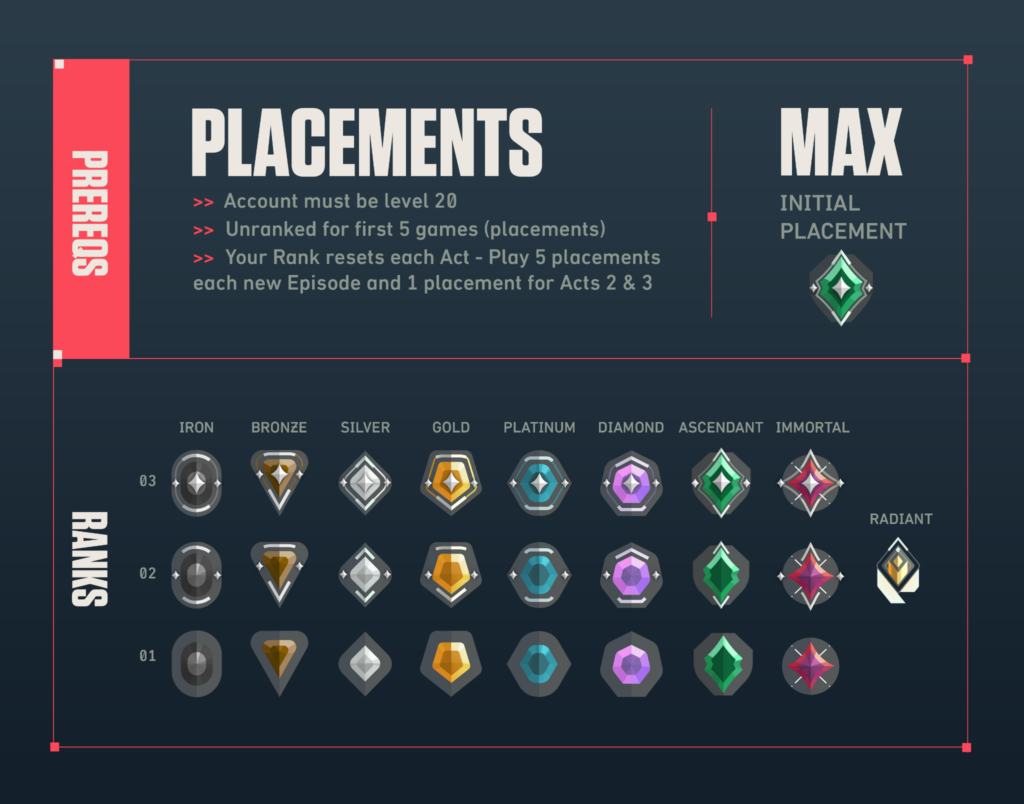
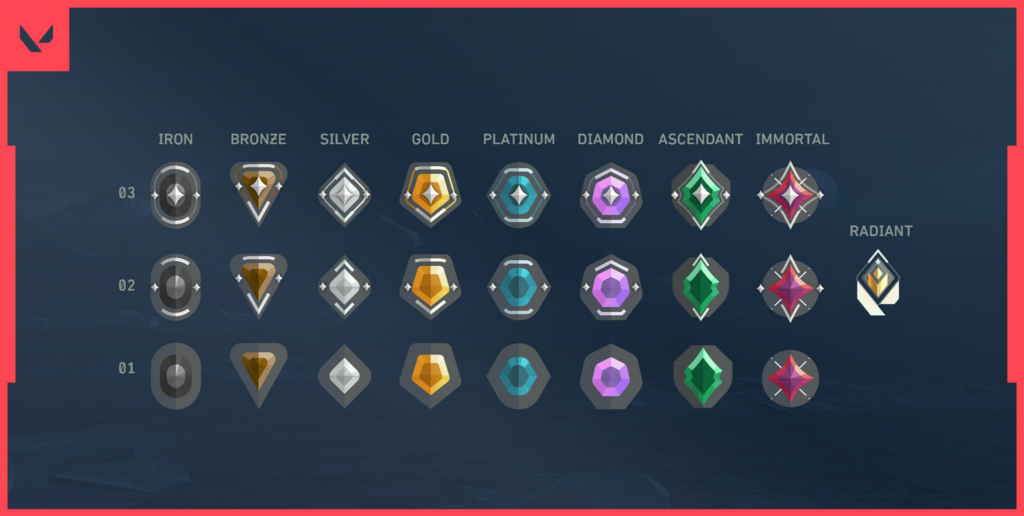
VALORANT uses Rank Rating (RR) to track progression through most Competitive ranks.
Winning matches is the primary way to gain RR, while losing generally reduces it.
However, the amount you gain or lose also depends on your hidden Matchmaking Rating (MMR).
Understanding RR and Hidden MMR
RR represents your visible ranked progress, while MMR estimates your underlying skill level for matchmaking.
If your MMR is higher than your current rank, you may gain more RR from victories than you lose from defeats.
If your MMR is lower than your visible rank, climbing can become more difficult until your results improve.
Individual performance and round differences can also influence RR adjustments, although match results remain the most important factor.
Instead of focusing on every small RR change, concentrate on consistently winning over a larger number of matches.
Why Kills Are Not Everything
Getting 30 kills does not automatically mean you contributed more than everyone else.
Some eliminations have much greater impact than others.
For example, securing an opening kill, trading a teammate, or stopping a Spike defuse can directly influence a round’s outcome.
Meanwhile, collecting eliminations after a round is effectively lost may have less strategic value.
Focus on actions that help your team win rounds rather than chasing scoreboard statistics.
Master a Small Agent Pool
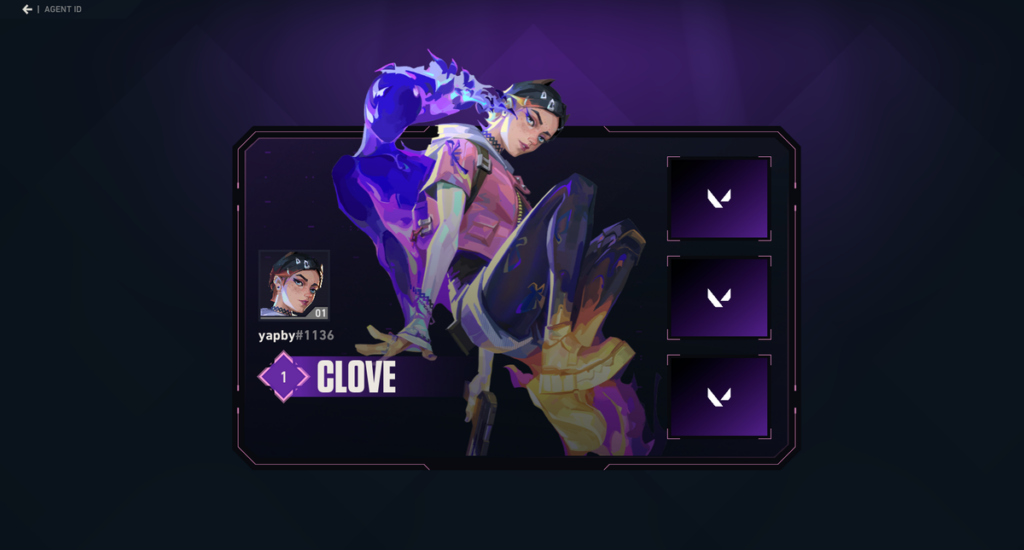
One of the easiest ways to improve consistency is to stop switching Agents constantly.
Learning too many characters at once makes it harder to develop reliable utility usage, positioning, and decision-making.
Choose Two or Three Reliable Agents
Start with a small Agent pool that matches your preferred playstyle.
Ideally, learn one primary Agent and one or two alternatives.
This gives you flexibility when someone selects your main without forcing you to play unfamiliar characters.
Spend time understanding each Agent’s abilities, common setups, and strengths on different maps.
Learn Your Role Instead of Always Filling
A balanced team composition is useful, but selecting an unfamiliar Agent simply to fill a role can hurt your performance.
Understand what your preferred role contributes:
- Duelists: Create space and help teammates enter contested areas.
- Controllers: Block sightlines and support site executions.
- Initiators: Gather information and help teammates take favorable fights.
- Sentinels: Control territory, defend sites, and protect flanks.
Playing your role effectively is usually more valuable than choosing an Agent you barely understand.
Improve Your Aim and Positioning
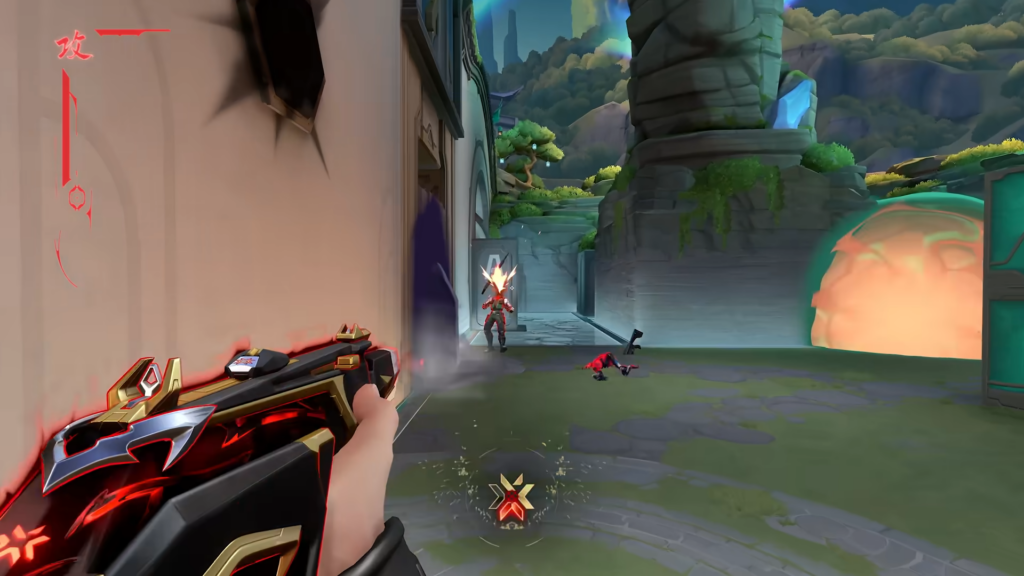
Mechanical skill remains important, but you do not need exceptional aim to become a more reliable player.
Strong fundamentals can make ordinary gunfights significantly easier.
Practice Crosshair Placement
Keep your crosshair near head level and aimed toward likely enemy positions.
Avoid looking at the ground while moving around the map.
When clearing corners, position your crosshair where an opponent’s head is likely to appear.
Good crosshair placement reduces the distance you need to move your mouse before firing.
Stop Taking Unnecessary Fights
Positioning often matters more than raw reaction speed.
Use cover whenever possible and avoid exposing yourself to multiple angles simultaneously.
After firing, consider whether you should reposition rather than immediately challenging the same opponent again.
If you are defending a site, staying alive long enough for teammates to rotate may be more valuable than attempting a risky elimination.
Learn to Trade Teammates
Trading means eliminating an opponent shortly after they kill your teammate.
To trade effectively, stay close enough to support teammates without standing directly on top of them.
If two players challenge an opponent from coordinated positions, the enemy has less time to recover between fights.
This simple habit can improve your team’s consistency during site entries and retakes.
Learn VALORANT Economy Management
Even excellent players struggle when their team repeatedly enters rounds with weak equipment.
Understanding when to buy, save, or force helps create more favorable fights.
Buy and Save Together
Before purchasing equipment, check your teammates’ Credits.
If most players cannot afford rifles, shields, and essential utility, saving together may be the better option.
A coordinated full buy usually provides a stronger opportunity than several players purchasing rifles while others use pistols.
Avoid forcing after every loss, since repeated weak purchases can damage your economy across multiple rounds.
Share Weapons When Possible
If you have extra Credits and a teammate cannot afford a rifle, consider buying one for them.
Likewise, request a weapon when another player has enough money to support the team.
Economy management is about maximizing the team’s overall strength rather than protecting individual Credit balances.
Some players looking for different starting ranks or account setups may also explore listings to buy valorant account. However, account transfers can violate Riot Games’ rules and introduce security or recovery risks. More importantly, changing accounts does not improve the decision-making skills needed to climb consistently.
Communicate Clearly With Your Team
Good communication can turn an average team into a much more coordinated one.
You do not need complicated strategies or constant conversation.
Focus on sharing information teammates can use immediately.
Make Short, Useful Callouts
Useful information includes:
- Enemy locations and numbers
- Damage dealt when relevant
- Important abilities already used
- Spike location or planting activity
- Whether an area is clear or contested
For example, saying “Two pushing B Main, one flashed” is more helpful than repeatedly shouting that enemies are nearby.
After dying, avoid overwhelming teammates with unnecessary instructions.
Provide useful information and allow them to concentrate.
Use Utility With a Purpose
Every ability should help accomplish something.
Smokes can block dangerous sightlines, flashes can create entry opportunities, and information-gathering abilities can help clear contested areas.
Avoid using utility simply because it is available.
Coordinate important abilities with teammates whenever possible.
A well-timed flash or smoke can create an advantage before anyone fires a shot.
Stop Making the Same Ranked Mistakes
Many players lose rounds because they repeat a small number of bad habits.
Common mistakes include:
- Re-peeking the same angle after taking damage
- Pushing unnecessarily while defending
- Taking isolated fights without trade support
- Chasing kills instead of playing the Spike
- Rotating before confirming enemy intentions
- Forcing purchases when teammates are saving
Fixing these mistakes can produce more consistent results than learning complicated new techniques.
Choose one or two weaknesses to address instead of trying to improve everything simultaneously.
Review Your Losses Instead of Blaming Teammates
Not every match is winnable, and teammates will occasionally make mistakes.
However, blaming others after every loss makes it harder to recognize your own weaknesses.
After a difficult match, ask yourself:
- Did I take fights my teammates could trade?
- Did I use my abilities effectively?
- Did I rotate too early or too late?
- Did I manage my Credits properly?
- Could I have survived longer in important rounds?
If possible, review recorded gameplay and identify repeated mistakes.
Focus on decisions you can control rather than outcomes you cannot change.
Build a Consistent Ranked Routine
Playing more matches does not automatically mean improving faster.
A focused routine can be more effective than spending hours queueing while frustrated.
Warm Up Before Competitive
Spend around 10–20 minutes preparing before ranked matches.
A simple routine might include:
- Practice crosshair placement and controlled shooting in the Range.
- Play a Deathmatch to work on movement and gunfights.
- Enter Competitive once your aim and concentration feel comfortable.
The purpose is to prepare your mechanics, not exhaust yourself before playing.
Avoid Playing While Tilted
Frustration often leads to rushed decisions, unnecessary aggression, and poor communication.
If you lose several matches and notice your concentration dropping, take a break.
Playing three focused matches can be more productive than playing eight while angry or exhausted.
Consistency matters more than daily match volume.
Solo Queue vs Playing With Friends
You can rank up through solo queue, but playing with reliable teammates can make communication easier.
A consistent duo or group can coordinate utility, trades, and economy decisions more effectively.
However, playing with friends is not automatically better.
If your teammates constantly argue, ignore communication, or encourage risky decisions, solo queue may provide a more productive environment.
Choose teammates who support improvement and remain constructive after mistakes.
VALORANT Rank Up FAQ
What Is the Fastest Way to Rank Up in VALORANT?
The most reliable approach is to improve your win rate through better positioning, communication, economy management, and consistent Agent performance.
Do Kills Affect RR in VALORANT?
Individual performance can influence RR adjustments, but winning matches remains the primary factor in ranked progression.
Is Solo Queue Good for Ranking Up?
Yes. Solo queue can work well if you communicate clearly, play consistently, and adapt to different teammates.
How Many Competitive Matches Should You Play Daily?
There is no ideal number for everyone. Playing a few focused matches while maintaining good concentration is generally better than repeatedly queueing while tired or frustrated.
Should You Play Multiple Agents in Ranked?
A small pool of two or three familiar Agents is usually enough to provide flexibility without sacrificing consistency.
Final Thoughts
Learning how to rank up in VALORANT is less about finding one secret trick and more about making better decisions every round.
Improve your crosshair placement, master a small Agent pool, coordinate purchases, communicate clearly, and review your mistakes.
You will still lose matches, but consistently making stronger decisions can improve your long-term win rate and help you climb the Competitive ladder.