Picture this: It’s a sticky July afternoon, and you’re hunched over a laptop, eyes wide, fingers flying. You just made a pixelated dragon breathe fire for the first time. The code finally works. Your friends cheer. You laugh so hard you nearly spill your soda. This isn’t just another summer. This is game design summer camp, and it’s the first time you’ve felt your ideas come alive on screen.
Why Game Design Summer Camp Feels Like Magic
If you’ve ever lost yourself in a game, you know the thrill. But making a game? That’s a whole new level. Game design summer camp isn’t just about learning to code or draw sprites. It’s about turning wild ideas into playable worlds. You get to build, break, and rebuild until your vision clicks. And you do it surrounded by people who get why you care so much about boss battles and secret levels.
Here’s the part nobody tells you: The first time your character jumps, or your puzzle works, you’ll feel like a wizard. That’s the magic of game design summer camp. It’s not just about skills—it’s about confidence, creativity, and the rush of making something real.
What You’ll Actually Do at Game Design Summer Camp
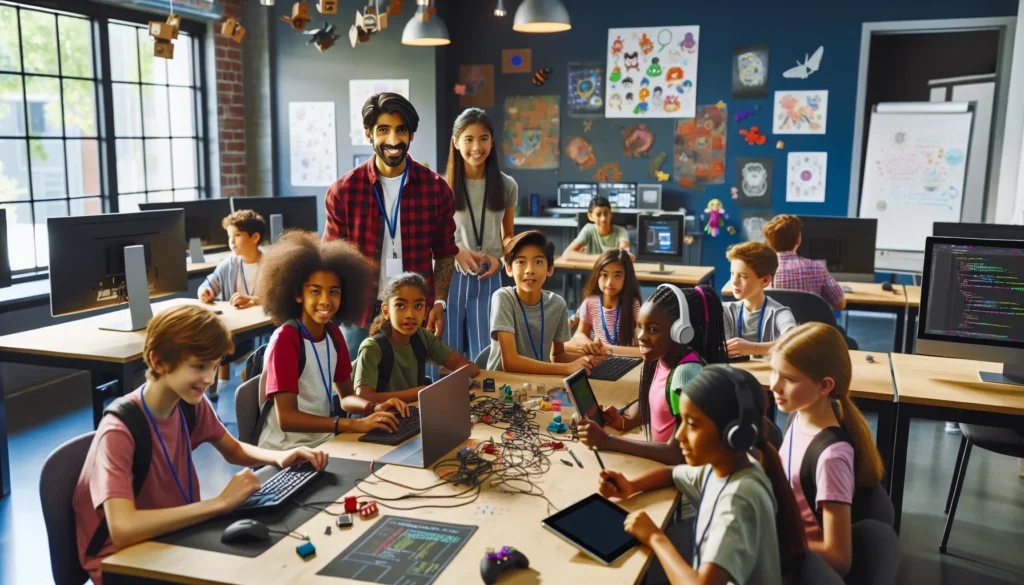
Forget boring lectures. At a great game design summer camp, you’ll spend most of your time making stuff. You’ll sketch out ideas, argue about mechanics, and test your games on real players. You’ll mess up. You’ll fix it. You’ll learn fast.
Hands-On Game Creation
- Design characters, levels, and stories from scratch
- Learn coding basics (think drag-and-drop or real code, depending on your level)
- Use tools like Unity, Godot, or Scratch
- Work in teams—just like real game studios
- Playtest and get feedback (sometimes brutally honest, always helpful)
Workshops and Challenges
- Daily design challenges—like “make a game in one hour”
- Mini-lectures on what makes games fun (and what makes them flop)
- Guest talks from real game developers
Showcase and Play
- End-of-camp game showcase for friends and family
- Play each other’s games and swap tips
Here’s why this matters: You don’t just learn theory. You build a portfolio. You leave with games you can show off, and skills you can use right away.
Who Should Go to Game Design Summer Camp?
If you’ve ever sketched a map on the back of your math homework, or argued about why your favorite game is perfect, this is for you. Game design summer camp is perfect for:
- Teens who love games and want to make their own
- Creative kids who like art, music, or storytelling
- Future programmers who want to see their code in action
- Anyone who wants to meet friends who “get it”
But it’s not for everyone. If you hate teamwork, or you’re not willing to try, fail, and try again, you might not have fun. Game design is messy. You’ll break things. You’ll get stuck. But if you like solving problems and making people smile, you’ll fit right in.
What You’ll Learn (and What You Won’t)
Let’s break it down. At a game design summer camp, you’ll learn:
- How to turn ideas into playable games
- Basic coding (like C#, Python, or block-based languages)
- Game art and animation
- Sound design and music basics
- How to give and get feedback
- Teamwork and project management
But you won’t become a pro overnight. You won’t make the next Fortnite in two weeks. You will, however, get a head start—and maybe discover a passion you never knew you had.
Real Stories: What Campers Say
“I thought I’d just learn to code, but I ended up making friends who love games as much as I do,” says Alex, 15. “My first game was a disaster, but my counselor helped me fix it. Now I want to study game design in college.”
Emma, 13, shares, “I was nervous because I’d never coded before. But everyone helped me. By the end, I made a puzzle game my little brother still plays.”
These stories aren’t rare. Most campers leave with more confidence, new friends, and a few hilarious bug stories. (Ask anyone about the time someone’s character turned into a giant chicken by accident.)
How to Choose the Right Game Design Summer Camp
Not all camps are the same. Some focus on coding, others on art or storytelling. Some are in-person, others online. Here’s what to look for:
- Small class sizes (so you get real help)
- Experienced instructors who actually make games
- Hands-on projects, not just lectures
- Access to real tools (like Unity or Godot)
- Support for beginners and advanced students
Ask for a sample schedule. Check reviews. If you can, talk to past campers. The best game design summer camp will challenge you, support you, and let you make real games.
What You’ll Take Home (Besides a Cool T-Shirt)
By the end of game design summer camp, you’ll have more than just a few games. You’ll have:
- Real projects for your portfolio
- New friends who share your passion
- Skills you can use in school, college, or even a future job
- Stories—about bugs, breakthroughs, and late-night pizza
Here’s the secret: The confidence you build at camp sticks with you. You’ll start to see problems as puzzles, and mistakes as part of the process. That’s a skill you can use anywhere.
Ready to Try Game Design Summer Camp?
If you’re curious, excited, or even a little scared, that’s normal. Game design summer camp is for anyone who wants to create, learn, and have fun. You don’t need to be a coding genius or an art prodigy. You just need to care about games and want to make something new.
This summer, don’t just play games—make them. Your future self will thank you.