
Turn off the sound in a game you love and it suddenly feels flat. The controls still work and the graphics are unchanged, yet something essential has gone missing. Audio is the part of game design players notice least and feel most. Whether you are sneaking through a stealth level, racing online with friends or trying a slot at Aerobet casino, sound tells you what is happening before you read a single number on screen. This article looks at how game audio works, why designers treat it as a gameplay tool and how players can get more out of it.
Players Notice Sound Last but Feel It First
The brain processes sound remarkably fast, and it does so without demanding visual attention. A footstep behind you, a rising musical tone or a short click when an item is picked up all deliver information while your eyes stay on the action. Designers use this to reduce the amount of text and interface a player has to read. Good audio makes a game feel responsive, because every action seems to have weight and consequence.
When sound is poorly designed, players rarely blame the audio directly. They say the game feels “cheap”, “floaty” or “confusing”. That is why studios invest in sound teams that record, layer and tune thousands of effects. A single sword swing can combine several recordings: a whoosh, a metallic ring, a cloth movement and a low impact layer that you feel more than you hear.
Sound designers often break an important effect into a few deliberate parts:
- The attack: the first sharp moment that tells the brain something happened.
- The body: the main character of the sound, such as metal, wood, magic or machinery.
- The tail: the echo or fade that places the sound in a room, a cave or an open field.
- Variation: several slightly different versions, so repeated actions never sound robotic.
Designing for Players Who Play Muted
A surprising number of people play with the sound off, especially on phones. Commuters, office workers on a break and parents in a quiet house often keep the volume at zero. This forces designers to make sure that every essential cue also exists visually, through animation, color, vibration or text. Haptic feedback has become a quiet partner of audio here: a short vibration can confirm a button press or a hit when no sound is playing. The best mobile games are built so that sound adds richness without being required, which is a different challenge from designing for a console player wearing a headset in a dark room.
Feedback Sounds: The Language of Interaction
Every interactive system needs feedback, and sound is one of the clearest ways to provide it. Menus click, buttons confirm, errors buzz and rewards sparkle. Over time, players learn this vocabulary so well that they respond to it automatically. Many people who grew up with platform games can still hear a coin collection sound in their head, decades later.
|
Sound type |
What it does |
Typical example |
|
Interface feedback |
Confirms an action was registered |
Menu clicks, button presses |
|
Warning cues |
Draws attention to danger or time |
Low-health heartbeat, countdown ticks |
|
Spatial effects |
Tells the player where something is |
Footsteps, engine noise, gunfire direction |
|
Reward sounds |
Marks success and progress |
Level-up fanfare, coin jingles, win chimes |
|
Ambient beds |
Builds a sense of place |
Wind, crowds, rain, distant traffic |
Good feedback is consistent. If the same action produces different sounds in different places, players lose trust in what they hear. Designers therefore build sound “families” that share tones and textures, so new effects still feel like part of the same world.
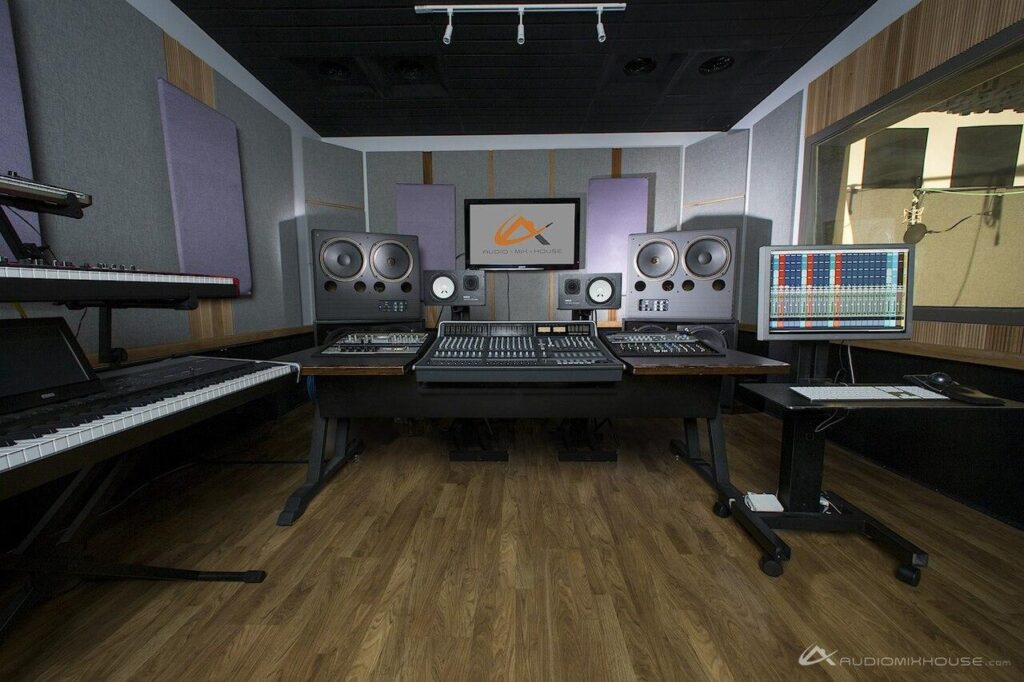
A mixing console in a professional studio. Game audio is layered, balanced and tested much like music and film sound. Image: Audio Mix House from United States, CC BY 2.0, source: Wikimedia Commons.
Spatial Audio and Competitive Play
In competitive games, sound is information that can decide a match. Positional audio lets players hear whether an opponent is above, below or behind them. Modern engines simulate how sound travels through rooms, around corners and through materials, and headphone virtualization makes a simple stereo headset feel surprisingly three-dimensional.
For players, this has practical consequences. A decent pair of headphones often improves performance more than a new mouse. Turning down music and ambient volume while keeping effects loud makes important cues stand out. Several shooters and battle royale games even let players adjust specific channels, such as footsteps or voice chat, for exactly this reason.
Adaptive Music and Emotional Pacing
Film composers know exactly when the hero opens the door. Game composers do not, because the player decides. Adaptive music solves this problem. Instead of one fixed track, the score is built from layers and segments that the game combines in real time. Exploring might bring a calm melody, discovering an enemy adds percussion, and combat brings the full arrangement.
Silence matters just as much. Horror games are masters of withholding sound, letting tension build until a single noise lands with real force. Designers often describe audio pacing as breathing: periods of intensity need periods of rest, or players become numb to the effect.
Sound in Casino and Arcade Games
Casino games and arcade cabinets rely on sound more openly than most genres. A spinning reel, a dealer’s voice in a live game or a crash multiplier climbing upward all use audio to build anticipation. Aerobet, an online casino and sportsbook that offers slots, live dealer tables, crash games and sports betting, is a good example of how varied this audio can be: a slot from one studio might sound like a carnival, while a live blackjack table sounds like a quiet room with cards on felt.
Because sound is so persuasive, informed players treat it as atmosphere rather than as information about money. A cheerful jingle can play even when a round returns less than the stake, so it is worth glancing at the balance instead of trusting the music. Many players also lower the volume or mute effects during longer sessions, which keeps the experience relaxed and the budget clear.
Accessibility: When Sound Becomes Visual
Not every player can rely on hearing, and the best studios design for that. Subtitles with speaker names, captions for important effects and on-screen indicators for directional sounds make games playable for deaf and hard-of-hearing players. Fortnite, for example, introduced an option that visualizes nearby sound effects as on-screen icons, and similar features have spread across the industry.
These options help everyone. Players in noisy rooms, parents gaming while a baby sleeps and people learning a new language all benefit from clear captions and visual cues. Accessibility work has pushed designers to think more carefully about which sounds truly matter, which in turn makes the audio mix cleaner.
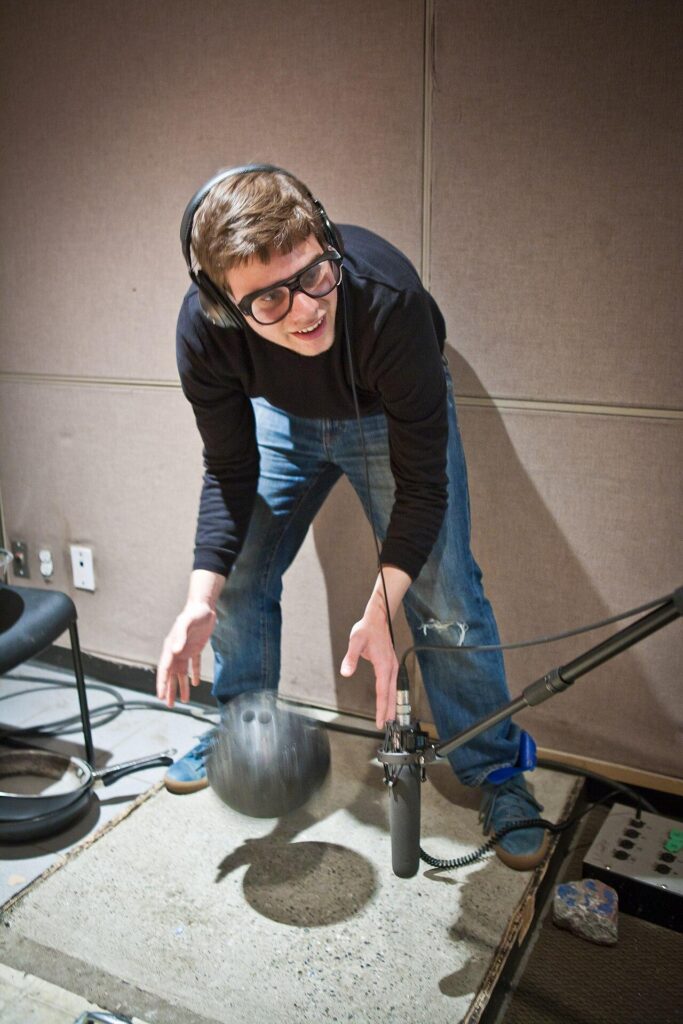
A Foley room at a sound design school, where everyday objects are used to record effects for film and games. Image: Vancouver Film School, CC BY 2.0, source: Wikimedia Commons.
How to Get More From Game Audio
A few simple habits make a noticeable difference:
Sound design rarely gets the headline in reviews, yet it shapes almost every moment of play. The next time a game feels tense, rewarding or simply alive, listen closely: there is a good chance the audio is doing much of the work.